Shoot safety on location

Stay safe on a shoot on location

When shooting on location safety is alway a major consideration. Every location has hazards and safety issues even before you pull any gear out. Production Health & Safety isn’t meant to be scary. The point of having sensible H&S measures in place is to keep everyone safe. The purpose of this article is to get you thinking about ways you can protect yourself and everyone while on a location shoot. Use your common sense, do your research, be prepared and you’ll have a happy crew and a safe shoot.
Continue reading “Shoot safety on location”

Cinematography versus Photography

difference between Cinematographer and photographer

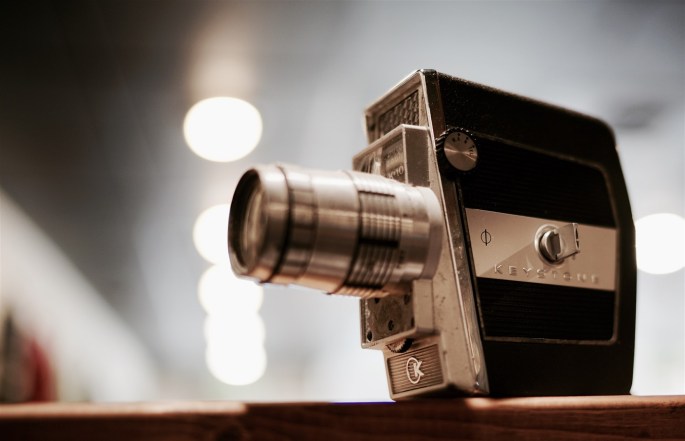
Cinematography is the art and technology of motion-picture photography. A Cinematographer is also know as a Director of Photography and can be shortened to DP or DOP.

The differences between photography and cinematography are many. A single photograph can be a complete work in itself, where as a cinematographer has to work with the director to craft multiple shots that serve the story and keep a consistent look within the scene.
Continue reading “Cinematography versus Photography”

Secret to making a great Video

Secrets to better videos

What is the secret to making a great video? A great cameraman.
While having all the gear you will need on set is always that best option, Gear does not make the cameraman, the cameraman makes the gear. Don’t forget Gear is good, but vision, know-how and creativity is better.
If you know how to properly use your gear, you can produce beautiful work. Does using professional camera gear perform better? Yes. But simply having the best camera isn’t enough you need to know-how to use it.
Continue reading “Secret to making a great Video”

Phone Photography Tips for better photos

Take better photos with your smartphone

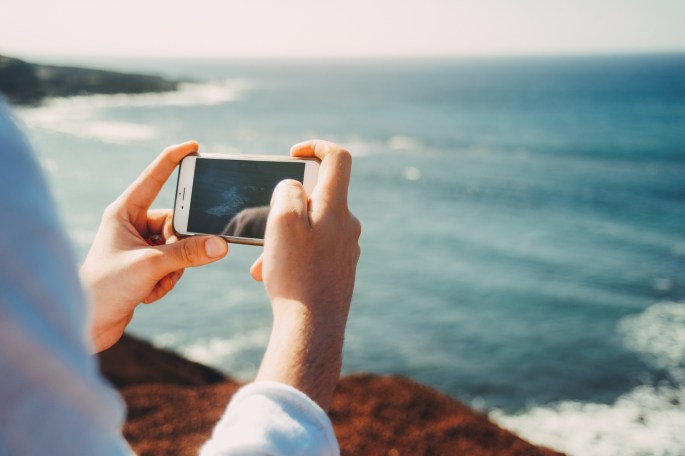
Phone photography means freedom and capturing special moments with family and friends. It may be tricky at first to get a good shot, but here are some tips to help improve your photography. Remember the best camera is always the one you have with you.
Continue reading “Phone Photography Tips for better photos”

Cine Lenses or Stills Lenses?

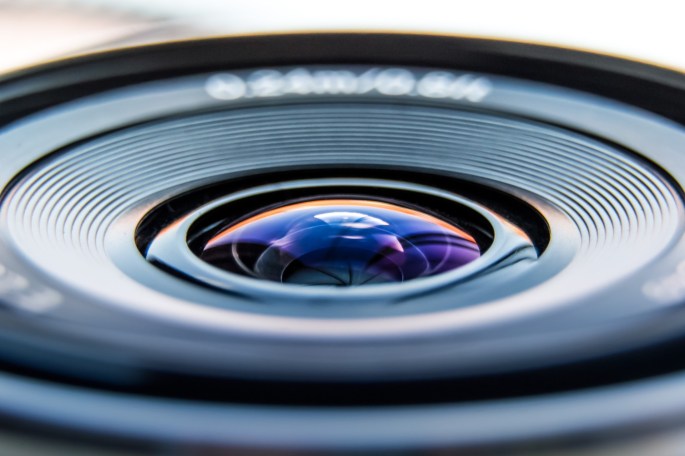
Whether you’re shooting video with a DSLR, mirrorless camera, or upgrading to a high-end video camera, true cine lenses provide a great way to enhance your video shooting experience and achieve professional results. So why go for a cine lens that may cost thousands of dollars when your regular stills lenses is doing a creditable job capturing video? Because true cine lenses offer much greater control and precision, provide a more seamless shooting experience, and can deliver even better overall video performance.
Continue reading “Cine Lenses or Stills Lenses?”

The Best 360 Cameras

What is a 360 camera?

A 360 camera allows you to take immersive, spherical photos or videos where every angle of the scene is recorded at the same time. This means it comes as either a rig that holds multiple cameras covering all angles, or a standalone camera with multiple camera lenses embedded in the device. 360 cameras come in two types: monoscopic and stereoscopic but most cameras are Monoscopic so I’ll focus on them. The term stereoscopic means it’s shooting 3D in 360 degrees. You all remember that 3D fad that died out recently.
Continue reading “The Best 360 Cameras”

Lighting Basics / Budget video lighting gear

Lighting basics

Lighting is the key to great looking high-quality videos. If you’re currently shooting without lights, buying a low priced kit is a smart investment. If you’re shooting your videos using only ambient lighting in most corporate offices or homes, you’re leaving lots of quality on the table. You don’t have to spend a fortune to get good lighting, but you do need to buy smart and know what you’re getting.
Continue reading “Lighting Basics / Budget video lighting gear”

Improve your Video and Stills photography lighting

Even with only two or three lights anyone can achieve great looking images on video or stills. A typical starting point for professional camera people is always the basic three point lighting setup, from there you can adapt it to achieve the mood you like on your shoot.

When three point lighting, the lights used are normally Key, Fill and Backlight (Hair light). The Key Light is the strongest light hitting your subject (or Talent), and the main source of light in the shot.

The Fill light is from the opposite side to the Key light and is there to reduce contrast and lighten shadows on the subject. Depending on how much contrast or shadow and definition you want on your subject, the Fill light can be moved closer or further away to vary the intensity (brightness). For a soft Fill light it can be filtered or bounced to diffuse it, or placed further away reduce the light’s brightness hitting the subject.

The Backlight (Hair Light) hits your subject from behind and or above which separates the subject from the background by making the edges of the subject’s body pop.
Continue reading “Improve your Video and Stills photography lighting”

Prime Lenses for stills and video

Why shoot on a Prime Lens?

Prime lenses have a fixed (one) focal length. You can’t zoom in or out. You get one viewing distance, and that’s it.

A standard prime lens is the 50mm “normal lens.” Its focal length roughly matches where your eye focuses, giving you an image that’s fairly close to what’s in front of you. Prime lenses come in all sorts of different focal lengths from extreme wide angle or fisheye to telephoto.
Continue reading “Prime Lenses for stills and video”